Good meat can be identified by checking its colour, smell, texture, fat distribution, packaging, and storage conditions. Fresh buffalo meat and fresh camel meat should have a natural appearance, a clean smell, and a firm texture, while proper refrigeration and reliable sourcing help ensure quality and safety.
Whether you are buying buffalo meat online in the UAE, choosing premium buffalo meat for a family curry, or shopping for fresh camel meat for a traditional dish, knowing what to look for can help you make a more informed choice.
At Royal Desert Farm, we understand that UAE families want fresh, reliable meat for their everyday meals. Here is a practical guide to identifying good-quality meat and choosing the right cuts for your kitchen.
Why Is It Important to Identify Good-Quality Meat?
Good-quality meat offers the appearance, texture, and characteristics expected of the particular animal and cut. However, freshness is not the only consideration. Safe handling, hygienic processing, suitable packaging, and correct refrigeration are equally important.
Choosing meat carefully can help you:
- Prepare better-tasting meals with the right cut for your recipe.
- Identify warning signs of spoilage before cooking.
- Select suitable cuts for curries, kebabs, grilling, and slow cooking.
- Make informed decisions when ordering premium meat online.
- Reduce food waste by purchasing properly packaged and stored products.
Important: Fresh-looking meat is not automatically safe. Harmful bacteria may be present without changing the meat’s colour, smell, or texture. Always check storage conditions, use-by dates, and the reliability of the seller.
1. Check the Colour of the Meat
Colour is one of the first things people notice when purchasing fresh meat. However, the ideal colour varies according to the animal, cut, age, and exposure to oxygen.
How to Identify Fresh Buffalo Meat
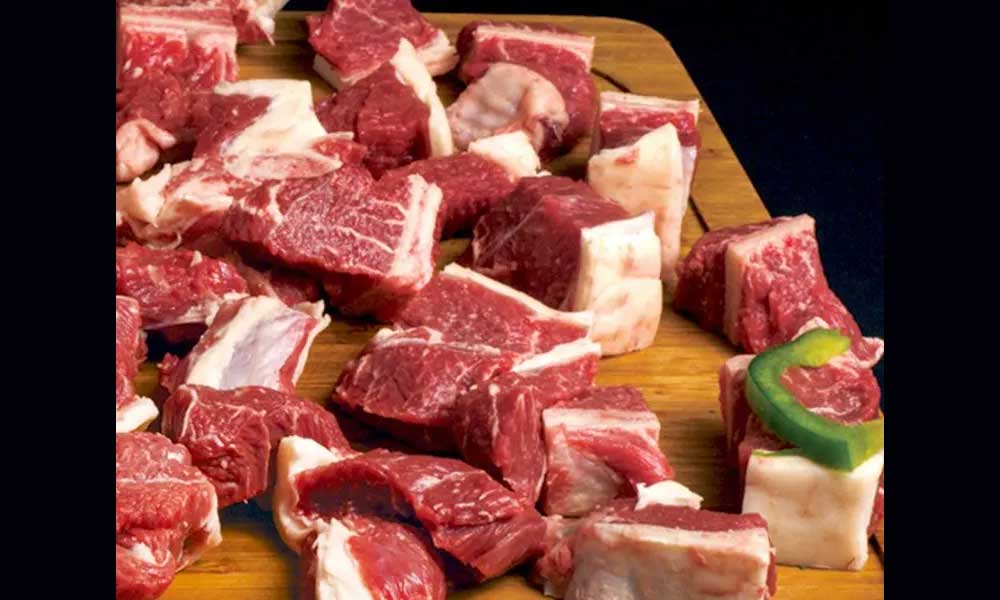
Fresh buffalo meat is generally deep red to dark red. Its appearance may vary depending on the cut, packaging, and how long it has been exposed to air.
When choosing buffalo meat, look for:
- A natural red colour consistent with the cut.
- No unusual greenish or iridescent discolouration accompanied by other spoilage signs.
- No suspicious surface patches or excessive discoloured liquid.
- Packaging that is intact and shows no signs of leakage.
Premium buffalo meat does not need to be bright red to be good quality. Vacuum-packed meat, for example, may appear darker or purplish until it is exposed to oxygen.
How to Identify Fresh Camel Meat
Fresh camel meat can range from red to deep red, depending on the animal and cut. Colour alone cannot confirm its freshness or safety.
Before buying fresh camel meat, check its overall appearance, packaging integrity, refrigeration, and the seller’s handling standards. Avoid meat with unusual greenish discolouration, a sticky surface, or other signs of deterioration.
2. Smell the Meat Before Buying
The smell of meat can provide useful clues about its condition, particularly when buying from a butcher or a fresh-meat counter.
Fresh raw buffalo meat and camel meat should not have a strong, unpleasant, sour, or rotten smell. Vacuum-packed meat can sometimes have a temporary odour when first opened, but it should dissipate quickly if the product is sound and has been stored correctly.
Avoid meat that has a persistent:
- Sour or fermented smell.
- Rotten or putrid odour.
- Strong, unusual chemical-like smell.
- Combination of unpleasant odour and slimy texture.
When ordering buffalo meat online, you may not be able to smell it before delivery. In this situation, choose a reliable seller that provides clear product information and maintains an appropriate cold chain.
3. Examine the Texture and Surface
Texture is another useful indicator when assessing meat quality.
Fresh raw meat is usually firm and moist rather than excessively wet, sticky, or slimy. The exact firmness varies by animal, cut, and age.
| Quality indicator | What to look for |
|---|---|
| Surface | Naturally moist, not slimy |
| Texture | Firm and consistent with the cut |
| Liquid | No excessive unexplained fluid in the package |
| Packaging | Intact, sealed where applicable, and not leaking |
| Appearance | No suspicious surface changes or deterioration |
Avoid meat with a sticky film, pronounced slime, or other signs of spoilage. Do not taste raw meat to check whether it is fresh.
4. Check the Fat Distribution and Meat Cut
Fat distribution can help you understand how a particular cut may perform during cooking. It is not, by itself, a reliable test of freshness or safety.
Buffalo Meat
Buffalo meat is often relatively lean compared with conventional beef, although the amount of fat varies by cut and animal.
- Boneless cuts: Convenient for curries, stews, and everyday cooking.
- Bone-in cuts: Useful for slow-cooked dishes where bones contribute flavour.
- Minced buffalo meat: Suitable for kebabs, koftas, and meat sauces.
Choose the cut according to your recipe rather than assuming that a leaner cut is always the best choice.
Camel Meat
Camel meat also varies in fat content and texture depending on the animal and cut.
- Cubed cuts: Suitable for curries and slow-cooked dishes.
- Boneless cuts: Convenient for kebabs, stews, and family meals.
- Bone-in cuts: Suitable for traditional recipes that benefit from longer cooking.
For both buffalo and camel meat, ask your supplier about available cuts and custom cutting options if you have a specific dish in mind.
5. Check Packaging, Labels, and Storage Conditions
When buying fresh buffalo meat online or selecting premium meat from a shop, packaging and storage are essential parts of your quality check.
Before purchasing, check:
- Packaging: It should be intact, clean, and free from leaks.
- Labelling: Look for the product name, relevant dates, storage instructions, and available traceability information.
- Temperature: Refrigerated meat should be kept at 4°C or below; frozen meat should remain frozen.
- Delivery: Meat should arrive appropriately chilled or frozen, according to the product and delivery method.
- Seller information: Choose a seller that can explain its sourcing, handling, and storage practices.
In the UAE, where outdoor temperatures can be high, maintaining the cold chain during transportation is particularly important. Refrigerated meat should not be left at room temperature for extended periods.
For food safety, refrigerate perishable meat promptly after delivery. As a general guideline, raw steaks, chops, and roasts can be stored in the refrigerator for 3–5 days, while raw minced meat should generally be used within 1–2 days. Follow the product label if it specifies a shorter period.
6. Choose the Right Meat for Your Cooking Style
The best meat for your meal depends on the recipe, cut, cooking time, and preferred texture.
| Dish | Suitable choice | Cooking approach |
|---|---|---|
| Family curry | Buffalo or camel meat cubes | Simmer until tender |
| Kebabs | Suitable boneless cuts or mince | Grill or cook thoroughly |
| Slow-cooked stew | Appropriate bone-in or boneless cuts | Cook slowly until tender |
| Rice dishes | Small, evenly cut pieces | Simmer with spices and rice |
| Everyday meat dishes | A cut suited to your recipe | Follow safe cooking guidance |
Buffalo and camel meat may require different cooking times depending on the cut and size of the pieces. Avoid relying on colour alone to determine whether meat is fully cooked. Use a food thermometer and follow an appropriate safe internal cooking temperature for the particular cut.
7. Where to Buy Premium Buffalo Meat and Fresh Camel Meat in the UAE
Finding a dependable supplier can make buying meat easier, especially when you prefer online ordering and home delivery.
When comparing suppliers, consider the following factors:
- Reliable sourcing: Ask whether the supplier can provide information about the origin and traceability of its meat.
- Quality controls: Look for clear hygiene, handling, and refrigeration procedures.
- Cutting options: Choose a seller that offers suitable cuts for your preferred recipes.
- Delivery arrangements: Confirm that refrigerated or frozen products are transported appropriately.
- Clear product information: Check the product description, weight, storage guidance, and delivery terms.
Royal Desert Farm has been operating in the UAE since 2018, serving customers looking for farm-fresh food products. Its product range includes buffalo meat, along with other meat, dairy, honey, and dates options.
Customers in Dubai, Abu Dhabi, Sharjah, Ajman, Al Ain, Ras Al Khaimah, Fujairah, and Umm Al Quwain can explore the available products and delivery information online.
If you want to buy buffalo meat online, review the current product listing and confirm availability, cut options, and delivery arrangements before placing your order. For camel meat, check the current catalogue or contact the team to confirm availability rather than assuming a particular cut is in stock.
8. Common Mistakes to Avoid When Buying Meat
Even experienced shoppers can overlook important details when choosing meat.
Avoid these common mistakes:
- Judging freshness by colour alone: Colour varies naturally and cannot prove safety.
- Ignoring the smell and texture: Unusual odours and slime are warning signs.
- Buying damaged packaging: Leaks or broken seals can indicate handling problems.
- Overlooking refrigeration: Proper temperature control is essential for meat safety.
- Assuming premium means safe: Price and appearance cannot replace proper handling and storage.
- Choosing the wrong cut: A cut suitable for slow cooking may not be ideal for quick grilling.
- Leaving meat unrefrigerated: Put meat away promptly after delivery and follow the storage instructions.
The best approach combines visual inspection with reliable sourcing, correct storage, and safe cooking practices.
Conclusion: Choose Meat with Confidence
Identifying good meat involves more than checking whether it looks red or fresh. Examine its colour, smell, texture, packaging, and storage conditions, and buy from a supplier that can explain its sourcing and handling practices.
Whether you are looking for fresh buffalo meat, premium buffalo meat for family meals, or fresh camel meat for traditional UAE and South Asian recipes, selecting the right cut and maintaining food safety can help you prepare better meals.
Explore Royal Desert Farm to browse available meat products and other farm-fresh essentials. Visit the website to check current availability, choose suitable cuts, and review delivery options across the UAE.
FAQ Section: People Also Ask
1. How can you identify good-quality meat?
Good-quality meat should have a natural colour, a firm texture, and no persistent sour or rotten smell. Also check the packaging, use-by date, refrigeration, and supplier’s handling practices. Appearance alone cannot guarantee safety.
2. What colour is fresh buffalo meat?
Fresh buffalo meat is generally red to deep red. Its exact colour depends on the cut, packaging, and exposure to oxygen. Unusual greenish discolouration, especially with an unpleasant smell or slimy texture, is a warning sign.
3. How can I identify fresh camel meat?
Fresh camel meat usually ranges from red to deep red. Check that the packaging is intact, the meat is properly chilled, and there are no signs of spoilage, such as persistent unpleasant odours or a slimy surface.
4. Where can I buy buffalo meat online in the UAE?
You can explore Royal Desert Farm’s online catalogue to check available buffalo meat products. Before ordering, review the product details, available cuts, delivery arrangements, and storage instructions.
5. Is buffalo meat different from beef?
Yes. Buffalo meat comes from buffalo, while beef comes from cattle. Buffalo meat is often leaner than conventional beef, although nutritional values and fat content vary according to the cut and animal.
6. How long can fresh meat stay in the refrigerator?
At 4°C or below, raw steaks, chops, and roasts generally keep for 3–5 days, while raw minced meat should generally be used within 1–2 days. Follow the product label and freeze meat promptly if you do not plan to use it within the recommended period.