White makhan is a traditional, usually unsalted butter made by churning cream or malai until the butterfat separates from the liquid. It is commonly associated with South Asian kitchens and is often called white butter, makkhan, or traditional makhan.
Compared with many commercial yellow butters, fresh white makhan is generally softer, naturally creamy and mild in taste. Buffalo makhan is particularly popular among South Asian families because buffalo milk has a naturally higher fat content than many other types of milk, which can produce rich, creamy butter.
For UAE residents looking for traditional dairy products, fresh makhan can be enjoyed with paratha, roti, naan, toast, corn, vegetables and many home-style dishes.
White Makhan vs White Butter vs Traditional Makhan
The terms white makhan, white butter and traditional makhan are often used interchangeably, although preparation methods can differ from one household or dairy producer to another.
| Type | What it means | Typical characteristics |
|---|---|---|
| White Makhan | Freshly churned traditional butter | Creamy, soft and mild |
| White Butter | Usually refers to fresh, unsalted butter | Light colour and delicate flavour |
| Buffalo Makhan | Makhan made from buffalo milk/cream | Rich, creamy and substantial |
| Traditional Makhan | Butter prepared using traditional churning methods | Fresh dairy flavour and soft texture |
| Commercial Butter | Packaged butter made for retail use | Often salted, processed and firmer |
The colour of fresh butter can naturally vary depending on the milk, animal feed, season and production method. Therefore, white makhan does not necessarily mean that the butter must be perfectly white.
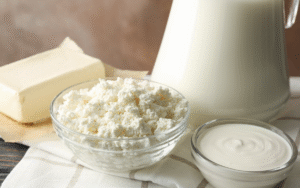
What Is Buffalo Makhan?
Buffalo makhan is butter made from buffalo milk or buffalo cream. Because buffalo milk is naturally rich in milk fat and total solids, it can produce a creamy and rich butter when churned properly.
This makes buffalo makhan especially familiar to households that grew up eating traditional Pakistani, Indian or other South Asian dairy foods.
In everyday cooking, buffalo makhan can be used for:
- Spreading on roti, naan or toast
- Serving with paratha
- Adding to traditional breakfast dishes
- Cooking vegetables and other savoury foods
- Serving alongside corn or baked foods
- Adding richness to homemade recipes
If you enjoy the taste of traditional dairy, buffalo makhan can be a simple way to bring that familiar flavour to meals in the UAE.
How Is Traditional White Makhan Made?
Traditional makhan is made through churning, a process that separates butterfat from the liquid portion of milk or cream.
A simplified process looks like this:
1. Milk or cream is collected
Fresh dairy milk is collected and handled under appropriate food-safety and hygiene conditions.
2. Cream or malai is prepared
The cream or malai contains a significant portion of the milk’s fat. Depending on the traditional method, cream may be collected from milk over time.
3. Churning begins
The cream is churned mechanically or traditionally. Churning causes the fat globules to join together.
4. Butter separates
As churning continues, butter particles begin to separate from the liquid buttermilk.
5. The butter is collected
The fresh butter is separated and may be washed or handled according to the producer’s preparation method.
6. Fresh makhan is ready
The result is soft, fresh makhan with a creamy dairy flavour. Unlike many packaged butters, traditional makhan is commonly associated with a fresh, homemade-style texture.
Why Does White Makhan Look Different From Yellow Butter?
One of the most common questions is: Why is some butter white while other butter is yellow?
Butter colour can be affected by several factors, including:
- The type of milk
- The animal producing the milk
- Seasonal differences
- Animal feed
- Fat composition
- Processing methods
- Whether colouring or other ingredients are used
Fresh buffalo makhan can have a naturally pale or creamy appearance. Commercial butter may have a more pronounced yellow colour, depending on how it is produced.
Therefore, colour alone should not be used to judge the quality or freshness of butter. Proper sourcing, hygienic handling, freshness and appropriate storage are more meaningful factors.
Is White Makhan the Same as Ghee?
No. White makhan and ghee are different dairy products.
White makhan is fresh butter that retains its creamy butterfat and moisture. Ghee is made by heating butter and removing water and milk solids, leaving clarified butterfat.
| White Makhan | Ghee |
|---|---|
| Fresh butter | Clarified butterfat |
| Soft and creamy | Liquid when warm, semi-solid when cool |
| Contains more moisture | Very low moisture |
| Mild fresh-dairy flavour | Distinctive cooked/clarified flavour |
| Commonly eaten fresh | Commonly used for cooking |
Both have important places in South Asian cooking, but they should not be treated as the same product.
White Makhan in the UAE: What Should You Look For?
Finding traditional dairy products in the UAE can be especially valuable for families who want familiar foods from Pakistani and Indian cuisine.
When buying fresh makhan, consider:
Freshness
Fresh dairy products should be properly chilled and delivered under suitable temperature-controlled conditions.
Sourcing
Knowing where dairy products come from gives consumers greater confidence. Royal Desert Farm has been operating in the UAE since 2018, with a focus on farm-fresh dairy and other food products.
Farm and food-handling standards
Royal Desert Farm works with certified local farms and focuses on farm-fresh products, appropriate handling and fast delivery.
Delivery availability
For UAE customers, convenient delivery can make fresh dairy easier to include in regular household shopping.
Royal Desert Farm serves customers across Dubai, Abu Dhabi, Sharjah, Ajman, Al Ain, Ras Al Khaimah, Fujairah and Umm Al Quwain.
How Should You Store Fresh White Makhan?
Because makhan is a fresh dairy product, proper refrigeration is important.
For best handling:
- Keep makhan refrigerated after receiving it.
- Store it in a clean, sealed food-safe container if the original packaging is opened.
- Avoid leaving it at room temperature for extended periods.
- Use clean utensils when serving.
- Follow the storage and use-by instructions provided with the product.
The exact shelf life depends on the product’s preparation, packaging and storage conditions, so always follow the supplier’s stated guidance.
What Can You Eat With White Makhan?
One reason traditional makhan remains popular is its versatility.
With Paratha
A small serving of fresh makhan with hot paratha is a classic South Asian combination.
With Roti or Naan
Spread it over freshly prepared roti or naan for a simple dairy-rich accompaniment.
With Breakfast
White makhan can be served alongside eggs, paratha and other breakfast foods.
With Corn
Fresh corn with butter is another easy option, especially as a snack or side dish.
In Home Cooking
Depending on the recipe, makhan can be incorporated into savoury dishes where a creamy butter flavour is desired.
White Makhan for South Asian Families in Dubai and Across the UAE
For Pakistani, Indian and other South Asian families living in the UAE, traditional dairy products can provide a familiar connection to home-style food.
Whether you live in Dubai, Abu Dhabi, Sharjah, Ajman or Al Ain, farm-fresh dairy delivered to your home can make everyday meal preparation more convenient.
Royal Desert Farm offers a range of fresh dairy products, including cow, buffalo, goat and camel milk, butter, ghee, paneer, cheese and labneh, alongside meat, seafood, raw honey and fresh dates.
The brand has been serving the UAE since 2018 and offers 24/7 fast delivery. Customers choosing monthly subscriptions can also benefit from free delivery on monthly subscriptions, making regular dairy ordering more convenient.
White Makhan vs Buffalo Makhan: Which One Should You Choose?
The answer depends on what you want from your dairy product.
Choose traditional white makhan if you are looking for:
- A fresh, creamy butter experience
- A mild dairy flavour
- Traditional South Asian-style serving options
- Butter for paratha, roti or breakfast
Choose buffalo makhan if you prefer:
- A richer dairy character
- Buffalo-milk-based traditional dairy
- A creamy texture
- A familiar flavour associated with South Asian cuisine
Rather than choosing based only on colour, consider the milk source, freshness, preparation, storage and producer.
Final Thoughts
White makhan is traditional fresh butter made by churning cream or malai, while buffalo makhan is butter produced from buffalo milk or cream. White butter and traditional makhan are commonly used as similar terms, particularly in South Asian food culture.
For UAE households, the most important considerations are freshness, hygienic handling, reliable sourcing and proper refrigeration.
If you want to bring farm-fresh dairy into your regular household shopping, explore Royal Desert Farm’s dairy range and consider a monthly milk subscription for convenient recurring delivery across the UAE.
FAQ Section
1. What is white makhan?
White makhan is fresh traditional butter made by churning cream or malai until butterfat separates from the liquid. It is commonly unsalted and has a soft, creamy texture.
2. Is buffalo makhan the same as white butter?
Buffalo makhan is a type of butter made from buffalo milk or cream. It can be considered white butter when it is fresh and unsalted, although preparation methods may vary.
3. Why is white makhan white instead of yellow?
Butter colour naturally varies according to milk source, animal feed, season, fat composition and processing. Fresh makhan can therefore appear white, pale or creamy.
4. Is white makhan the same as ghee?
No. White makhan is fresh butter containing moisture, while ghee is produced by heating butter and removing water and milk solids.
5. How should fresh white makhan be stored?
Fresh white makhan should be kept refrigerated and protected from contamination. Follow the supplier’s packaging and storage instructions for the appropriate shelf life.
6. Where can I get fresh makhan in the UAE?
Fresh dairy products can be ordered from local UAE suppliers such as Royal Desert Farm, which has operated in the UAE since 2018 and provides delivery across Dubai, Abu Dhabi, Sharjah, Ajman, Al Ain, Ras Al Khaimah, Fujairah and Umm Al Quwain.