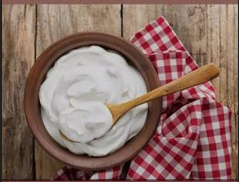
Cow milk yoghurt is a fermented dairy product made by culturing cow’s milk with beneficial yoghurt cultures. The fermentation process gives yoghurt its characteristic creamy texture, mild tangy taste, and naturally occurring live cultures.
For families in the UAE, cow milk yoghurt can be a versatile everyday food for breakfast, snacks, smoothies, marinades, sauces, and traditional dishes. This guide explains what cow milk yoghurt is, how it is made, how it differs from other yoghurt types, and how to choose and store fresh yoghurt.
What Is Cow Milk Yoghurt?
Cow milk yoghurt is yoghurt made from cow’s milk rather than buffalo, goat, sheep, or plant-based milk.
During yoghurt production, selected bacterial cultures ferment the lactose naturally present in milk. This process produces lactic acid, which lowers the milk’s pH and causes the milk proteins to form the thick, creamy structure associated with yoghurt.
In simple terms:
Cow milk + yoghurt cultures + controlled fermentation = cow milk yoghurt.
The final yoghurt can vary in thickness, creaminess, acidity, and flavour depending on the milk, cultures, fermentation method, and processing conditions.
How Is Cow Milk Yoghurt Made?
Traditional yoghurt production generally involves several important steps:
1. Fresh Cow Milk Is Selected
High-quality yoghurt begins with good-quality milk. Milk should be sourced and handled under appropriate food-safety and hygiene standards.
2. Milk Is Heat Treated
The milk is heat treated as part of the yoghurt-making process. This helps create the conditions needed for a consistent yoghurt texture and safe production.
3. Yoghurt Cultures Are Added
Specific yoghurt cultures are introduced into the milk. Common yoghurt cultures include Streptococcus thermophilus and Lactobacillus delbrueckii subsp. bulgaricus.
4. Fermentation Takes Place
The milk is kept under controlled conditions while the cultures convert lactose into lactic acid.
As acidity increases, the milk thickens and develops the familiar tangy yoghurt flavour.
5. Cooling and Refrigeration
Once the desired fermentation is reached, the yoghurt is cooled to slow further fermentation and maintain its quality.
This is why temperature control and cold-chain handling are important when buying and delivering fresh yoghurt in the UAE climate.
What Does Cow Milk Yoghurt Taste Like?
Cow milk yoghurt usually has a mild, creamy and slightly tangy flavour.
Its taste can vary depending on:
- Milk quality and fat content
- Fermentation method
- Type of yoghurt cultures used
- Fermentation duration
- Added ingredients, if any
Plain cow milk yoghurt is particularly versatile because it can be eaten sweet or savoury.
For example, you can add fresh dates or honey for a naturally sweet breakfast, or use yoghurt with cucumber, herbs, and spices for a savoury side dish.
Is Cow Milk Yoghurt Healthy?
Cow milk yoghurt can be a nutritious addition to a balanced diet. It naturally provides several nutrients found in milk, although the exact nutritional profile varies according to the product and preparation method.
1. Source of Protein
Milk yoghurt provides dairy protein, making it useful for breakfast, snacks, and meals where you want to include a protein-containing food.
2. Provides Calcium
Yoghurt made from cow’s milk is naturally a source of calcium, an important mineral for maintaining normal bones and teeth.
3. Contains Dairy Nutrients
Depending on the milk and processing method, yoghurt can provide nutrients such as protein, calcium, phosphorus, potassium, and B vitamins.
4. May Contain Live Cultures
Many yoghurts contain live bacterial cultures. These cultures are responsible for fermentation and may support a healthy digestive system as part of an overall balanced diet.
However, not every yoghurt product has the same cultures or nutritional profile, so checking the product label is important.
Cow Milk Yoghurt vs Buffalo Milk Yoghurt
One common question among South Asian families in the UAE is whether cow milk yoghurt or buffalo milk yoghurt is better.
There is no single answer because the best choice depends on personal taste, dietary needs, and preferred texture.
| Feature | Cow Milk Yoghurt | Buffalo Milk Yoghurt |
|---|---|---|
| Milk source | Cow’s milk | Buffalo’s milk |
| Texture | Usually creamy and smooth | Often richer and thicker |
| Flavour | Mild and slightly tangy | Richer and creamier |
| Fat content | Varies by product | Typically higher than cow milk |
| Common uses | Breakfast, raita, smoothies, cooking | Thick yoghurt, desserts, traditional dishes |
For a lighter everyday yoghurt experience, many people prefer cow milk yoghurt. Those who enjoy a richer and thicker texture may prefer buffalo milk yoghurt.
Cow Milk Yoghurt vs Greek Yoghurt
Cow milk yoghurt and Greek yoghurt are not necessarily made from different types of milk.
Greek yoghurt is generally yoghurt that has been strained to remove some of the whey, resulting in a thicker consistency.
As a result, Greek yoghurt is usually thicker and more concentrated than regular yoghurt.
Cow milk yoghurt may be used as a base for making Greek-style or strained yoghurt, depending on the production method.
How Can You Use Cow Milk Yoghurt?
One of the biggest advantages of plain cow milk yoghurt is its versatility.
Breakfast
Combine yoghurt with:
Smoothies
Blend yoghurt with milk, bananas, dates, berries, or other fruits for a creamy smoothie.
Raita
Cow milk yoghurt works particularly well in raita. Add cucumber, mint, coriander, cumin, and a small amount of salt for a refreshing side dish.
Marinades
Yoghurt-based marinades are popular for chicken, beef, lamb, and other dishes. The acidity and creamy texture make yoghurt a useful ingredient in many marinades.
Sauces and Dips
Plain yoghurt can be combined with garlic, herbs, cucumber, lemon, or spices to create quick dips and sauces.
Traditional South Asian Recipes
Yoghurt is widely used in dishes such as biryani accompaniments, kadhi, chaat, raita, lassi, and various curries.
How Should Cow Milk Yoghurt Be Stored?
Fresh yoghurt should be kept refrigerated and handled according to the instructions on its packaging.
For best quality:
- Keep yoghurt refrigerated.
- Do not leave it at room temperature for extended periods.
- Use clean utensils when serving.
- Keep the container properly closed.
- Follow the manufacturer’s use-by or best-before guidance.
- Avoid consuming yoghurt if its appearance, smell, packaging, or texture indicates spoilage.
For fresh dairy delivery in the UAE, maintaining the cold chain from farm or production facility to the customer’s refrigerator is especially important.
How to Choose Fresh Cow Milk Yoghurt in the UAE
When buying cow milk yoghurt in Dubai, Abu Dhabi, Sharjah, Ajman, Al Ain, Ras Al Khaimah, Fujairah, or Umm Al Quwain, consider the following:
Check the Ingredients
For plain yoghurt, look for a simple ingredient list based primarily on milk and yoghurt cultures.
Check the Date
Always check the production, expiry, or best-before information provided on the package.
Consider Your Preferred Texture
Some people prefer smooth and pourable yoghurt, while others prefer thick, spoonable yoghurt.
Look for Reliable Sourcing
Choose dairy products from suppliers that clearly communicate their sourcing, hygiene, handling, and delivery practices.
Prioritize Cold Delivery
In the UAE, reliable temperature-controlled delivery is particularly important for fresh dairy products.
Why Choose Royal Desert Farm for Fresh Cow Milk Yoghurt?
At Royal Desert Farm, our focus is on bringing farm-fresh dairy and other food products to UAE households.
Operating in the UAE since 2018, Royal Desert Farm offers fresh dairy products sourced through certified local farms and serves customers across major UAE locations.
Our service covers:
- Dubai
- Abu Dhabi
- Sharjah
- Ajman
- Al Ain
- Ras Al Khaimah
- Fujairah
- Umm Al Quwain
Alongside cow milk yoghurt, our range includes fresh cow, buffalo, goat, and camel milk, ghee, butter, paneer, cheese, labneh, meat, seafood, raw honey, and fresh dates.
For customers who regularly purchase dairy, our monthly milk subscription can also make routine ordering more convenient, with free delivery available on monthly subscriptions according to the applicable service terms.
Final Thoughts
Cow milk yoghurt is a simple, versatile fermented dairy food that can fit into breakfast, snacks, cooking, sauces, marinades, and traditional South Asian recipes.
Its creamy texture, mild tangy flavour, and naturally occurring dairy nutrients make it a practical everyday choice for many families.
If you are looking for fresh cow milk yoghurt in the UAE, explore Royal Desert Farm’s dairy range and have farm-fresh products delivered to your doorstep.
FAQ: Cow Milk Yoghurt
1. What is cow milk yoghurt?
Cow milk yoghurt is a fermented dairy product made by adding yoghurt cultures to cow’s milk. Fermentation produces lactic acid, which gives yoghurt its characteristic tangy flavour and creamy texture.
2. Is cow milk yoghurt the same as plain yoghurt?
Not always. “Cow milk yoghurt” describes yoghurt made from cow’s milk, while “plain yoghurt” generally describes yoghurt without added flavours or sweeteners. Plain yoghurt can be made from different types of milk.
3. What is the difference between cow milk and buffalo milk yoghurt?
Cow milk yoghurt is generally milder and lighter in texture, while buffalo milk yoghurt is often richer and thicker. The exact nutritional composition depends on the milk and production method.
4. How should fresh cow milk yoghurt be stored?
Keep fresh yoghurt refrigerated and follow the storage instructions on the packaging. Avoid leaving it at room temperature for extended periods and use clean utensils when serving.
5. Can cow milk yoghurt be used for cooking?
Yes. Cow milk yoghurt can be used in raita, marinades, sauces, dips, smoothies, curries, desserts, and many South Asian recipes.
6. Where can I buy fresh cow milk yoghurt in the UAE?
Royal Desert Farm offers fresh dairy products with delivery across Dubai, Abu Dhabi, Sharjah, Ajman, Al Ain, Ras Al Khaimah, Fujairah, and Umm Al Quwain. Customers can explore the available cow milk yoghurt and dairy products through the Royal Desert Farm website.