Yes, you can make ghee directly from malai (milk cream). Malai can be slowly heated until its water evaporates and the milk solids separate, leaving behind clarified butter or ghee. For the best flavour and texture, use fresh, good-quality malai and cook it gently.
If you regularly collect malai from fresh milk, making homemade ghee is a simple way to turn it into a traditional kitchen staple.
What Is Malai?
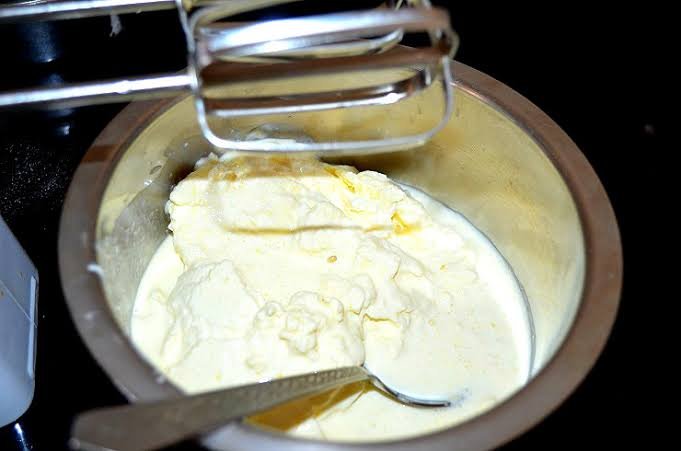
Malai is the thick layer of cream that forms on the surface of milk after it is heated and cooled. It contains milk fat along with some water and milk solids.
Fresh cow and buffalo milk can produce a noticeable layer of malai, although the amount and thickness can vary depending on the milk’s natural fat content and processing.
Malai can be used for:
- Homemade butter
- Ghee
- Creamy curries
- Desserts
- Parathas and breads
- Rich sauces
- Traditional South Asian recipes
For households in Dubai, Abu Dhabi, Sharjah and other UAE cities, fresh milk can be a convenient starting point for making homemade dairy products.
Can You Make Ghee Directly from Malai?
Yes. Ghee can be made directly from malai without first making butter, although the traditional butter-to-ghee method is also widely used.
When malai is heated slowly:
- The water content gradually evaporates.
- The milk solids begin to separate.
- The remaining milk fat becomes clearer.
- The solids turn golden brown.
- The clarified fat can then be strained into a clean container.
This method is sometimes called the direct malai-to-ghee method.
However, direct heating requires careful temperature control because malai contains water and milk solids. Cooking it too quickly can cause splattering or burnt milk solids.
How to Make Ghee Directly from Malai
Making ghee from malai at home requires only a few basic steps.
Step 1: Collect Fresh Malai
Collect malai from cooled milk and store it in a clean, covered container in the refrigerator.
You can collect malai over several days until you have enough for a batch of ghee.
For food safety and quality, keep the malai refrigerated rather than leaving it at room temperature for long periods.
Step 2: Add the Malai to a Heavy-Bottomed Pan
Transfer the malai into a heavy-bottomed saucepan or pot.
A heavy pan helps distribute heat more evenly and reduces the chance of the milk solids sticking and burning.
Step 3: Heat It Slowly
Place the pan over low to medium-low heat.
The malai will initially look creamy and may release moisture as it heats. Stir occasionally so the solids do not stick to the bottom.
Avoid using high heat at this stage.
Step 4: Let the Water Evaporate
As the malai cooks, its water content gradually evaporates.
You may notice bubbling, which is normal. Continue cooking gently until the mixture becomes more liquid and the milk solids begin separating.
Be careful because moisture in hot fat can cause splattering.
Step 5: Watch for the Ghee to Clear
As cooking continues, the mixture will become increasingly clear.
The milk solids will settle toward the bottom and gradually change colour. A light golden-brown colour usually indicates that the solids have been toasted enough to contribute flavour.
Do not allow them to become dark brown or black, as this can give the ghee a burnt taste.
Step 6: Strain the Ghee
Turn off the heat and allow the ghee to cool slightly.
Strain it through a fine-mesh strainer or clean cheesecloth into a dry, heat-resistant glass jar.
Avoid getting water into the finished ghee because moisture can affect its storage quality.
How Long Does It Take to Make Ghee from Malai?
The cooking time depends on the quantity of malai, the pan used and the heat level.
As a general guide, a small batch may take approximately 20–40 minutes after heating begins.
Larger quantities can take longer.
Instead of relying only on a timer, look for these signs:
- Bubbling gradually decreases.
- Milk solids separate from the fat.
- The fat becomes clearer.
- The milk solids become golden brown.
- A pleasant cooked-dairy aroma develops.
These signs are more useful than using one fixed cooking time for every batch.
How Much Ghee Can You Get from Malai?
The final quantity of ghee depends mainly on the amount of milk fat present in the malai.
For example, if you start with 500 grams of malai, you will not necessarily get 500 grams of ghee because malai contains water and milk solids.
The yield can vary depending on:
| Factor | Effect on Ghee Yield |
|---|---|
| Type of milk | Fat content affects the amount of ghee |
| Cow vs. buffalo milk | Naturally different fat levels can affect yield |
| Thickness of malai | Thicker cream generally contains more fat |
| Water content | More water means more weight is lost during cooking |
| Collection method | Cream collection affects the amount of fat recovered |
Therefore, there is no single guaranteed ghee yield from a specific weight of malai.
Can Buffalo Milk Malai Be Used for Ghee?
Yes. Buffalo milk malai can be used to make ghee, and its naturally rich milk fat can make it particularly suitable for traditional dairy preparations.
Buffalo milk generally produces a thick, rich cream layer when handled appropriately.
You can also make ghee from cow milk malai. The final colour, aroma, texture and yield may vary depending on the milk and preparation method.
For households that enjoy traditional South Asian cooking, both cow and buffalo milk can be useful options.
Malai Ghee vs. Butter Ghee: What’s the Difference?
There are two common approaches to homemade ghee.
Direct Malai-to-Ghee Method
With this method, you heat the collected malai directly.
Advantages:
- Simple process
- Fewer preparation steps
- No separate butter-making stage
- Useful when you regularly collect cream
Butter-to-Ghee Method
With this traditional approach, malai is first churned into butter. The butter is then heated until its water evaporates and the milk solids separate.
Advantages:
- Traditional preparation method
- Allows butter to be made separately
- Can produce a distinctive homemade flavour
Both methods ultimately aim to separate milk fat from water and milk solids.
Common Mistakes When Making Ghee from Malai
Using High Heat
High heat can burn the milk solids before enough moisture has evaporated.
Solution: Keep the heat low and allow the process to happen gradually.
Leaving the Pan Unattended
Ghee can change from perfectly cooked to burnt surprisingly quickly near the end.
Solution: Stay nearby and monitor the colour and aroma.
Using a Wet Container
Water can contaminate the finished ghee.
Solution: Always use a clean, completely dry storage jar.
Over-Browning the Milk Solids
Dark or burnt solids can give ghee an unpleasant bitter flavour.
Solution: Remove the pan from the heat when the solids are golden brown rather than heavily darkened.
Storing Ghee While It Is Contaminated
Using wet or dirty spoons can introduce moisture and contaminants.
Solution: Use a clean, dry spoon whenever you take ghee from the container.
How Should Homemade Malai Ghee Be Stored?
Transfer strained ghee to a clean, dry, airtight container.
Keep the container away from direct sunlight and excessive heat. Always use clean, dry utensils when handling it.
Storage life depends on factors such as moisture, cleanliness, preparation and storage conditions. If the ghee develops an unusual smell, flavour, mould or other signs of spoilage, it should not be consumed.
Why Start with Fresh Malai?
The quality of your finished ghee depends heavily on the quality and freshness of the malai.
Fresh milk from reliable sources can provide a better starting point for homemade dairy preparations.
Royal Desert Farm has been operating in the UAE since 2018, offering farm-fresh dairy products sourced through certified local farms. Its range includes fresh cow milk, buffalo milk, goat milk and camel milk, along with ghee, butter, paneer, cheese and labneh.
Customers across Dubai, Abu Dhabi, Sharjah, Ajman, Al Ain, Ras Al Khaimah, Fujairah and Umm Al Quwain can explore its fresh dairy range.
Can You Make Ghee from Malai at Home in the UAE?
Absolutely. Whether you live in Dubai, Abu Dhabi, Sharjah or another UAE city, homemade ghee can be prepared using fresh malai and a basic heavy-bottomed pan.
For South Asian families who regularly use ghee for parathas, biryani, halwa, curries and other traditional recipes, collecting malai and making ghee can be a practical way to use leftover cream.
The key is to use fresh malai, maintain gentle heat and carefully monitor the milk solids during the final stage.
Final Thoughts
Yes, you can make ghee directly from malai. The process involves slowly heating malai, allowing its water to evaporate, separating the milk solids and straining the remaining clarified milk fat.
For the best homemade results, focus on three things: fresh malai, low heat and careful monitoring.
If you prefer starting with fresh dairy products rather than packaged cream, explore Royal Desert Farm’s farm-fresh milk and dairy range. With delivery available across major UAE cities, you can conveniently choose the milk and dairy products that fit your household needs.
Frequently Asked Questions
1. Can I make ghee directly from malai?
Yes. Malai can be heated directly to make ghee. Slowly cooking it evaporates water and separates the milk solids from the milk fat.
2. How long does it take to make ghee from malai?
A small batch can take around 20–40 minutes, although the exact time depends on the amount of malai, pan and heat level.
3. Can I make ghee from buffalo milk malai?
Yes. Buffalo milk malai can be used to make ghee. Its relatively rich milk-fat content makes it suitable for traditional ghee preparation.
4. Is it better to make ghee from malai or butter?
Both methods can work. Directly heating malai requires fewer steps, while making butter first is a traditional method that allows the butter to be separated before producing ghee.
5. How should homemade malai ghee be stored?
Store strained ghee in a clean, completely dry, airtight container away from direct sunlight and excessive heat. Use a clean, dry spoon when handling it.
6. Why does my malai ghee taste burnt?
Ghee can taste burnt if the milk solids are cooked at excessive heat or left on the heat too long. Use low heat and remove the pan when the solids become golden brown rather than dark brown.